Archive for category Christmas
The real Virgin Mary was the Lord’s servant
Posted by simon peter sutherland in Census of Luke, Christmas, Christmas or Nisan, Theology on December 16, 2025

In J C. Ryle’s readings for advent, he chooses Luke 1: 34-38 for todays text. This text is about how the Virgin Mary received news that she would conceive by the Holy Spirit and give birth to a Son, the Lord Jesus Christ. Mary responded to the angel, “Let it be to me according to your word.” (Luke 1: 38)
We see from this text that the Virgin Mary was a real servant of God and even though she knew what controversy would face her once news of her conception came about she obeyed the word of the Lord perfectly.
Ryle writes how this act did “present no small danger to Mary’s reputation and no small trial to Mary’s faith.” And when you consider the danger she would have to potentially face, it’s not difficult to understand why. Mary could have been stoned to death for conceiving outside of marriage. But we know, because of Scripture that Mary was indeed innocent and had not conceived outside of wedlock (Luke 1: 34). Mary was a Virgin and betrothed to Joseph who only knew her intimately after Jesus was born.
It is here in these passages where we see the true Virgin Mary, not the false version worshipped by the Roman Catholic Church as mediator. Mary points us to Christ she does not replace Him or cause us to pray to her in order to get to Jesus. Mary is no mediator. There is only one mediator between God and men, the Man Christ Jesus (1 Timothy 2: 5)
A number of years ago a scholar claimed that the nativity account in Luke’s gospel contains feminine uses of Greek. This implies that the words contained in these few verses in Luke are the actual eyewitness testimony of Mary herself, incorporated into the gospel by Luke. This little known observation can inspire us all to know that Scripture is reliable and trustworthy.
Our society seeks to play down Scripture and inspire people to doubt what is written, but no one need let this happen. The Bible is true and historically accurate and the more people believe by faith, the stronger your belief will be.
Please don’t be fooled by Roman Catholicism or her prophets and proponents. If you want to find the true Mary don’t pray to her, read Scripture and her own words.
Believe the Bible this day and trust in Jesus Christ till the end of your life and He will never leave you or forsake you. Amen.
The words of Jesus Christ will never go away
Posted by simon peter sutherland in Christmas, Church of England on December 4, 2025
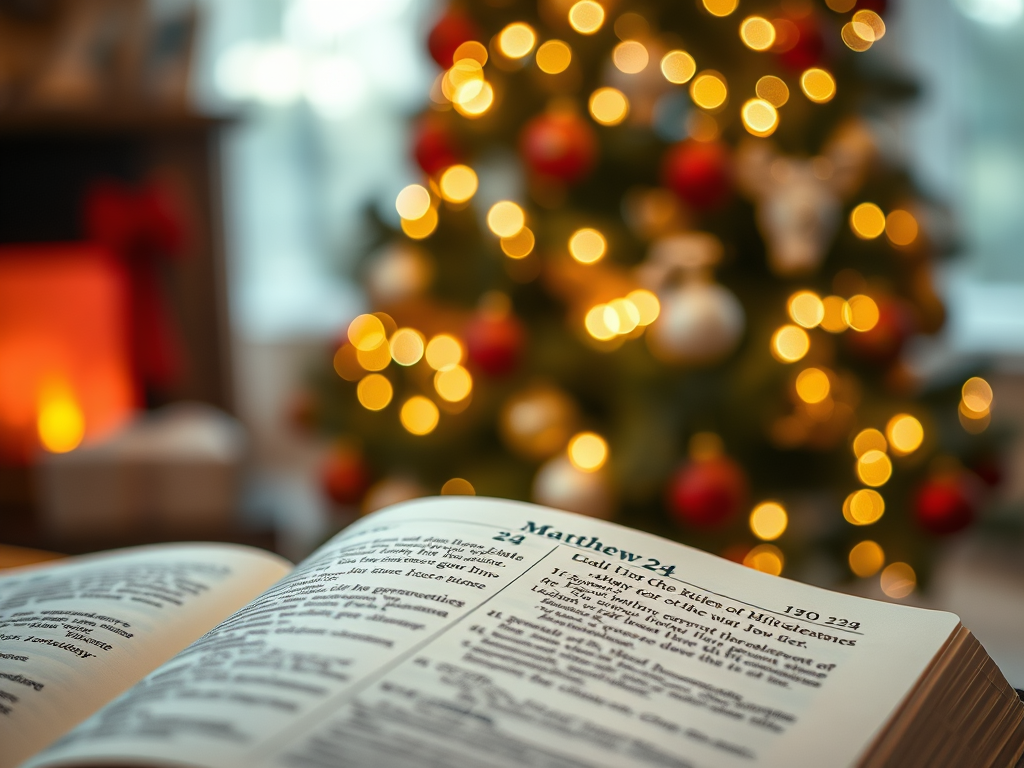
In todays readings for Advent, Ryle refers to Matthew 24: 29-35 where Jesus says His words will never pass away. How Jesus knew well the unbelief of human nature and as St Peter declared that mockers would come in the last days (2 Peter 3: 3-4).
The Biblical reality is that world has been in the last days for 2000 years. The author of Hebrews makes this very clear in Hebrews 1: 1-2 that God has spoke throughout history by the prophets but in those last days, that is in the 1st century, God has spoken “by His Son, who, He has appointed heir of all things, through whom He made the worlds.” (NKJV)
Jesus’ words are enough for us to feed upon and sufficient and powerful enough for us to live by. His words “will be fulfilled in their season” and will never die or be taken away. We may well live in an unbelieving age, an age where even the church has fallen away into irrelevance and fear, and yet Christ is still with those who belong to Him, who love Him and keep His commandments.
The words of Jesus Christ are like no other. No one has ever spoken like He did and no other words can come to pass like His. No priests, no bishops, no councils or synods, can ever take away the truth of His words. They (bishops and priests) can infect them so that they do not believe His truth anymore, but it has little effect in the lifelong reality of them. Jesus’ words cannot be broken and will never pass away. He is the King of glory and the Lord of all life. No one can take Him away.
Worship the King of kings and the Lord of lords and never lay down His truth for the squeamish words of archbishops and synods who no longer believe them. Heal yourselves and your wounds from the infections that they have spread and let the Lord of all peace and justice reward and fill your hearts with gold and myrrh. For the day is coming when all the injustices of the world and the devil will be drawn away into the dismal clouds of darkness and failure.
Look now unto our gracious Lord and have confidence in the power of His true gospel to save and restore. Amen.
The second coming of the King of kings, Advent reflections with J C Ryle and Matthew 24: 29-35
Posted by simon peter sutherland in Christianity, Christmas, Eschatology, Theology on December 1, 2025

I have begun the reading of a book “The Coming King” – 25 Readings For Advent with J. C. Ryle.
Ryle was Bishop of Liverpool between 1880 and 1900 and the readings are taken from his Expository Thoughts on the Gospels, some of the best commentaries available today.
In this part he deals with “our Lord’s prophecy” from Matthew 24: 29-35 where Christ describes His own second coming. In this passage we are told that Jesus will return with great power and glory quite different to His first appearing. During His incarnation Jesus was a man of sorrows (Isaiah 53: 3) He was not some ordinary joker Man who talked a lot, and blended in, He was a quiet Man and when He spoke He spoke with power and authority. If He did speak all the time, His words would not carry the same weight, yet His words were like no other, they had weight and strength. No one ever spoke like this Man. Even the authorities could hardly refute Him, even though they tried. He was the King of kings and Lord of lords, and no one had authority over Him unless it was granted by the Father.
When He was born, He was born humbly, among the lambs reared to be offered in the temple sacrifices. As He grew, He grew in favour with both God and man, yet He took on the form of a servant, rejected by mankind. Betrayed by his friend and condemned to death of a cross. Yet it did not end there, if it did, faith would be worthless and in vain. No, Christ rose from the dead and ascended into heaven where He reigns forever more. We do not need to wait for His return to know that He reigns, He is reigning now from heaven. We do not need to wait for some futuristic kingdom to take place on earth when He returns to Jerusalem, He is reigning now from heaven on the throne of David. And one fine day He will return and men will receive the fulness of eternal life or the sentence of eternal death.
Remember this, lest you live a pointless and meaningless life. There will be no escape from anything when He returns. There will be no opportunity for people to change their minds and believe once He returns. It will be the end. No thousand year reign. No second chance. No scoffing at Him. He will return to this earth when you least expect and no one will escape Him. He will not be the same as He was at His first coming, He will not be the Jesus people mock and blaspheme, and think they can walk all over, He will be returning with all His power and glory in the clouds of heaven, and no eye will be able to escape from Him. No ear will be unable to listen to Him. No sin will be left uncovered. No one will be able to escape. It will be the end.
What a terrible day that will be.
I wonder where you will be on that day? Will you be preaching, only to find yourself lost without salvation? Will you be drinking, only to find yourself thirsty? Will you be walking only to find yourself on your knees? It doesn’t have to be that way, you can pray. You can receive Christ at any moment of the day. You don’t need a priest, He is our priest. You don’t need a pastor, prophet, or pope or mediator, Jesus is our Mediator. All you need to do is pray and receive Him and you too will be given the gift of eternal life in the arms of our Lord and Saviour Jesus Christ.
Examine yourself whether you are in the faith (2 Corinthians 13: 5) Evaluate your beliefs. Consider your actions, and see if they line up with the gospel. Test your faith and yourselves, and keep awake, so that when Christ returns, He will not find you sleeping.
Is Jeremiah 10: 1-10 about the Christmas tree?
Posted by simon peter sutherland in Christmas, Christmas or Nisan on November 27, 2025

A number of years ago I wrote an article about Martin Luther and the Christmas tree. In this post I mention how some believers have claimed that the prophet Jeremiah wrote against the use of Christmas trees in Jeremiah 10: 1-10. I wrote “I doubt that the text is speaking of anything like that, for the context of Jeremiah’s passage speaks more against the idol worship that then existed and cannot rightly be connected to a mere celebration of Christmas which did not begin until many centuries later.”
In this post I would like to share a little more information on that claim.
Jeremiah’s ministry took place between 627 B.C. until the fall of Jerusalem in 586 B.C. He is my favourite Old Testament prophet. I see Christ in him. He was accused wrongly, as was Christ, he was tried, persecuted and imprisoned because of the things he said. Like Christ he also foretold the destruction of Jerusalem and the temple (Jeremiah 22: 5-7, Matthew 23: 37-39) and was rejected by his own people.
The book of Jeremiah was essentially written about 605 B.C. and chapter 1 describes his call, chapter 2 describes his call for Israel to repent, chapter describes their unfaithfulness, in chapter 4 he calls Israel to return to God, in chapter 5 the sins of Jerusalem and Judah are exposed, while chapter 6 speaks about the siege of Jerusalem and in chapter 7 Jeremiah preaches. You can at times hear his voice and his sorrow. As Jerusalem cries out for help (chapter 9) and in chapter 10: 1 Jeremiah calls on ancient Israel to “Hear the word which the Lord speaketh unto you” meaning them, his original audience.
I am struck by some words in the footnotes of my dad’s Thompsons Chain Reference Study Bible relating to “Palm-trees” and “Idol Making“. My dad used to preach from this Bible. In it Jeremiah speaks against people cutting down a tree in a forest and then they deck it with silver and gold, fastening it with nails so that it won’t move (Jeremiah 10: 3-4) But then in verse 5 we read about these palm trees. The prophet writes the “customs of the people are vain” meaning they are founded upon nonsense, idolatry and folly. Jeremiah ridicules them. The people must have been nailing these trees to a pedestal or a pillar. All the while Jeremiah is speaking from the living God but these people were making dumb idols out of palm trees and fastening them up like pillars.
Calvin comments “We now see what the Prophet meant to teach us, – that the wisdom of the Chaldeans, and also of the Egyptians, was celebrated throughout the world, and also so blinded the Jews, or so enraptured them...” (Calvin’s Commentaries on Jeremiah, Chap. X. 4, 5)
Here we do not see Jeremiah speaking against Christmas trees put up to remember Jesus Christ, the light of the world, we see ancient Israel following the ways of the Egyptians from whom GOD had delivered them from in the Exodus. But never the less, they are returning to the ways of the world and not continuing on in the ways of the Lord.
It is true that people can make gods of anything, be it wood or stone. But for people to remember and honour the birth of Christ by placing up a work of art in the form of a Christmas tree is in no way spoken against by Jeremiah.
If you in your heart are honouring Christ and remembering His birth then your Christmas tree is very right and proper, and in no way spoken against by the prophet Jeremiah. Remember that when Jesus was hailed as king the people honoured Him with palm trees (John 12: 13). This was a symbolic act and the gospels do not speak against that. So again, if you are honouring Christ and are not bowing down to a Christmas tree or worshipping it as a god, then you are doing nothing wrong.
Jeremiah 10: 1-10 is nothing to do with the Christmas tree.
The Promise of God for all mankind
Posted by simon peter sutherland in Census of Luke, Christmas, Christmas or Nisan, Documentaries, Eschatology, Theology on December 18, 2024

Many years ago, when I was a boy, I was asked what my favourite New Testament Gospel was, and I replied “Luke’s Gospel”. For me, I think that claim still stands. The Gospel According to St. Luke is still my favourite of the four Gospels.
Luke’s Gospel gives us the greatest account of Christ’s birth. I say this because I believe chapters 1 & 2 contain the actual words of Mary herself given to St Luke. Luke’s Gospel gives us the reference to the census of Quirinus. I have discussed this census in a previous article showing that it may have been referenced in the Mausoleum of Augustus on the funerary Res Gestae Divi Augusti in Rome.
Luke was a very reliable historian as my documentaries have shown. In Kos and the Gospel According to St. Luke I demonstrate elements of his accuracy by visiting the Greek island of Kos and discuss how he interviewed surviving witnesses to the life of Jesus Christ. Luke references his accuracy himself in Luke 1: 1-4 and Luke’s desire was for the Roman official (Theophilus) “to “know the certainty of those things in which you were instructed.”
Luke follows up his Gospel with part two (Acts of the Apostles) and those who know it are assured of the certainty of the events that happened.
As previously mentioned “I believe chapters 1 & 2” of Luke’s Gospel “contain the actual words of Mary herself given to Luke.” The nativity account contains elements of feminine Greek and in Mary’s account of the angelic announcement of Christ’s birth the angel says to Mary “behold you will conceive in your womb and bring forth a Son, and shall call His name Jesus. He shall be great, and will be called the Son of the Highest; and the Lord God will give Him the throne of His father David. And He will reign over the house of Jacob forever, and of His kingdom there will be no end.” (Luke 1: 31-32. NKJV)
This statement concerning the kingdom of Christ and Him being given the throne of David was not some reference to a futuristic kingdom that Jesus sets up when He returns to earth at the second coming. Luke tells us that this kingdom was established during the life, death, resurrection and ascension of Jesus Christ and was revealed to the people of Judea and Jerusalem by St Peter in his sermon contained in Acts 2: 14-39.
In Acts 2: 30-31 Peter says “Therefore, being a prophet, and knowing that God had sword with an oath to him that of the fruit of his body, according to the flesh, He would raise up the Christ to sit on his throne, he forseeing this, spoke concerning the resurrection of the Christ, that His soul was not left in Hades, nor did His flesh see corruption” and in verse 32 Peter states that the things which they saw when the Holy Spirit came on the Day of Pentecost (Acts 2: 1) is what they “now see and hear.”
The important point to note here is that the promise made to Mary in Luke 1: 32-33 has been fulfilled for all mankind. God in Christ Jesus has set up His kingdom and it has no end and as Peter stated to the people in Judea and Jerusalem, “the promise is to you and to your children, and to all who are afar off, as many as the Lord our God will call.” (Acts 2: 39)
This Christmas remember what Christ has done for us and for all mankind. Let us turn our backs upon the things of this world and whatever you do keep your eyes upon Christ, and know that He is our Saviour, and our God, if we believe in Him and receive forgiveness for our sins and make Him Lord of our lives.
William Tyndale’s military translation of Luke 2: 13
Posted by simon peter sutherland in Christmas, Church of England, The Bible, Theology on December 23, 2023
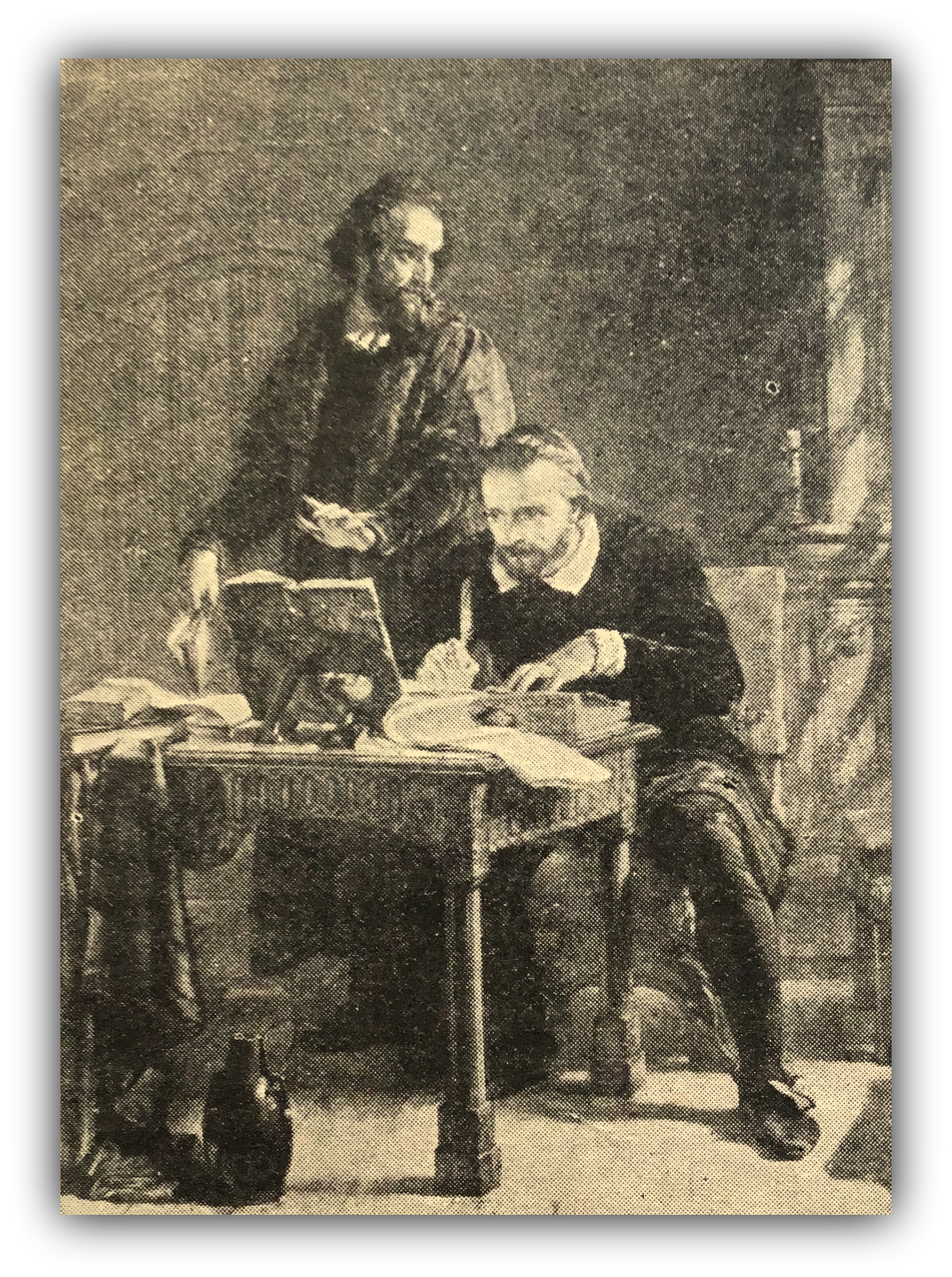
At this time of year it is a regular feature to hear passages from Luke’s gospel read aloud. Most of the time these days it is read from the NIV, ESV or some other modern translation. Yet with these translations we often miss so much.
For me personally, I’m traditional I like old Bible translations. For me, few modern translations read like authoritative Scripture. Tyndale’s 16th century translation however is a whole different ball game. It is one of the greatest English translations ever produced. No other translation has so impacted the English language as his.
And in his 1534 New Testament, Tyndale translates Luke 2: 8-13 this way,
“And there were in the same region shepherds abiding in the field and watching their flock by night. And lo: the angel of the Lord stood hard by them, and the brightness of the Lord shone round about them, and they were sore afraid. But the angel said unto them: Be not afraid. For behold, I bring you tidings of great joy that shall come to all people: for unto you is born this day in the city of David, a saviour which is Christ the Lord. And take this for a sign: ye shall find the child swaddled and laid in a manger. And straightway there was with angel a multitude of heavenly soldiers, lauding God and saying: Glory to God on high, and peace on the earth: and unto men rejoicing.”
(TYNDALE’S NEW TESTAMENT, 1534. The Gospel of St Luke. Chapter Two. A modern-spelling edition by David Daniell)
Note here something very distinct. In verse 13 Tyndale employs a military translation of the word normally translated “host”. Tyndale uses the English word “soldiers”.
This word is also used in the 1599 Geneva Bible, no doubt borrowing the idea from Tyndale. This is very interesting because it can be verified by the Greek.
According to Strongs (G4756) the Greek word means “an army; from the base of G4766, as encamped”. This is intriguing since the angelic reference is figuratively used. According to John Gill, the size of the multitude could be “innumerable; there are thousands, ten thousands, and ten thousand times ten thousand of them.”
It is quite spectacular to imagine thousands of soldiers declaring “peace on earth”, and good will.
Translations such as the KJV, RSV, NIV, ESV, ASV, use the word “host” which I think is found wanting. Tyndale’s military imagery is much more profound and demonstrative of the conflict between man and God being resolved in the life, death and resurrection of Jesus Christ. This is the heart of the Christmas story and although we often see the nativity story in a sweet fashion it is not so sweet. Jesus Christ was born to die and His enemies would one day take those hands and feet and pierce them with Roman nails.
What began with good news, of peace on earth and good will to all men concluded with Christ’s death making permanent satisfaction for sin and justification by His resurrection.
Recently while reflecting on the permanency of the gospel I was standing looking out at the vast open sky. The clouds, stars and the moon were all clearly visible. Down on earth people were going about there busy business and doing their thing, but the moon remained, unmoveable and unchanged. The gospel is like that, it does not and cannot change. It abides. The world changes, people change but the word of the Lord does not change. Likewise, the God who inspired it does not change either. He remains, He will not break His promises and regardless of the whims and babblings of this world, the Scripture cannot be broken.
This Christmas, remember the truth of the gospel and if you follow Christ remember that there is a multitude of heavenly soldiers on your side and if God is with you who can be against you?
I believe the Virgin Mary was not sinless
Posted by simon peter sutherland in Census of Luke, Christmas, Theology on December 4, 2023

Recently I went to see the new movie Journey to Bethlehem. A musical inspired by the events surrounding the birth of Jesus.
Mary does sing in Luke 1: 46-55.
While I found the movie entertaining and enjoyable to watch, I didn’t agree with it all but I came to notice the very distinct representation of Mary as human, not sinless. As some of you may know the Roman Catholic Church upholds a doctrine that claims Mary was not subject to original sin. Although I don’t particularly have a problem with believing that Mary did not practice sin, I do have a problem with the false claim that Mary was sinless.
While there are complexities within the doctrines upheld within Roman Catholicism, Eastern and Oriental Orthodoxy, it should be stated that there is not a single verse in the Bible that claims Mary was “sinless”. In Luke 1: 47 Mary sings ‘my spirit rejoices in God my Saviour’.
If Mary was “sinless” she would not need a Saviour.
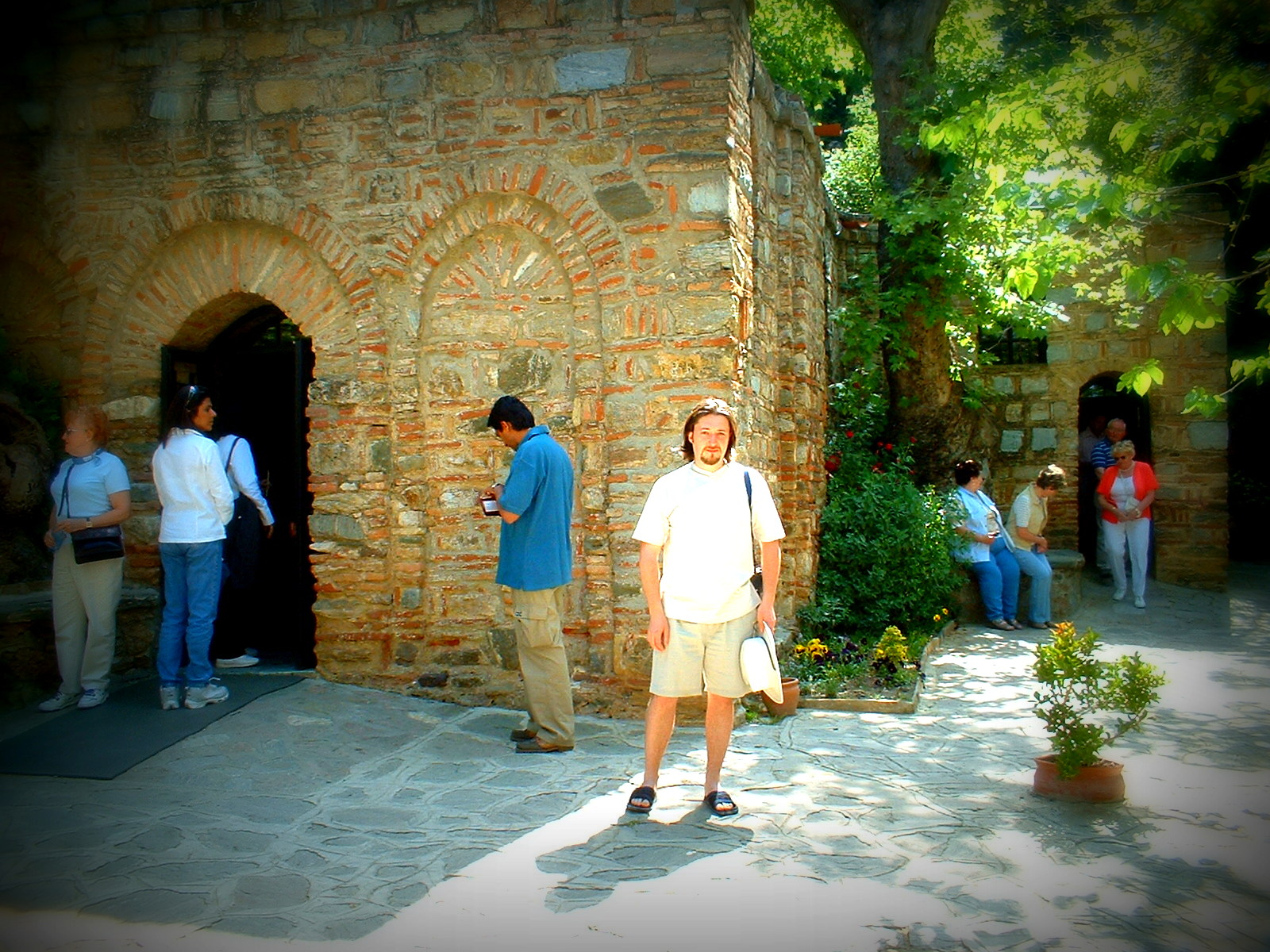
Many years ago I visited Ephesus and also the house of the virgin Mary. This house is way up in the mountains and was discovered in the 19th century and is believed to be the place where the Apostle John took Mary as instructed by Jesus in John 19: 25-27.
I like many people sat and pondered upon what the mother of Jesus may have been like. What did Mary look like, how did she talk, what stories could she tell?
Luke 2: 19 says that Mary cherished her memories and stored them in her heart, so I assume Luke’s gospel tells us all we need to know. That being said I understand the nativity texts in Luke contain feminine uses of Greek meaning that many verses could actually contain her own hand written testimony. Thus her own statement in Luke 1: 47 affirmed that Mary was not without original sin.
Likewise 1 John 1: 8 states that ‘if we say that we have no sin, we deceive ourselves and the truth is not in us‘ and that verse does not exclude Mary. After all it was written by the man who Jesus gave instructions to take Mary into his own home so Mary may have even read the letter when John wrote it. After all, John is believed to have been an older man when he wrote his letter, so Mary would have still been present with him as instructed by Christ.
I believe this point and Luke 1: 47 disproves the false claims of Roman Catholicism.
Hymn stories: Hark the Herald Angels Sing
Posted by simon peter sutherland in Christmas, Christmas or Nisan, Music on November 24, 2022

Christianity has in its favour the greatest hymns ever written.
There is no denomination in Christendom that has more superb catalogue to its credit than Anglicanism. So it is with the timeless Christmas classic “Hark the Herald Angels Sing.”
Originally published as a Christmas Day hymn by Charles Wesley (1707-1788), it was included in John Wesley’s Collection “Hymns and Sacred Poems” in 1739. The previous year Charles had experienced a conversion in London on 21 May, 1738 and felt renewed in his faith. Soon he began to spread the good news of the Gospel and write the great hymns he is known for. “Hark the Herald Angels Sing” displays that now bygone era and captures Wesley’s new found zeal. It is a glorious hymn.
When I was a boy I used to love listening to it on the opening credits of the 1951 version of Scrooge with Alistair Sim. It has never left me to this day. Unlike many of the shallow and theologically bland chorus’s sung in many independent congregations around the world, “Hark The Herald Angels Sing” upholds the fabulous dignity of Biblical splendour. It presents in a glorious array the celebratory narrative of the Incarnate Christ. Inspired largely by the King James Version, Charles Wesley’s original lyrics read like so:
“HARK how all the Welkin rings
“Glory to the King of Kings,
“Peace on Earth, and Mercy mild,
“GOD and Sinners reconcil’d!
Joyful all ye Nations rise,
Join the Triumph of the Skies,
Universal Nature say
“CHRIST the LORD is born to Day!”
These words were adapted in 1758 by George Whitefield (1714-1770), and read like so:
“HARK! the Herald Angels sing
Glory to the new-born King!
Peace on Earth, and Mercy mild,
God and Sinners reconcil’d.
Joyful all ye Nations rise,
Join the Triumphs of the Skies;
Nature rise and worship him,
Who is born at Bethlehem.“
Whitefield’s version was published in 1782 in Tate and Brady’s New Version of the Psalms of David. But the story doesn’t end there. In 1855 musician William Hayman Cummings (1831-1915) gave the song a new lease of life by adding music by Mendelssohn (1809-1847). This is generally the hymn tune we sing today.
Wesley wrote, “Peace on Earth, and Mercy mild, “GOD and Sinners reconcil’d!“. Those original words by Charles Wesley proclaim the pure truth of the Gospel and rightness of the One and only person of Jesus Christ. The only peace that can ever be attained on this earth is in Christ Jesus our Lord.
Remember this and never forget, works that have begun, do not always end there. They can go on to future generations and never be forgotten.
This season, go and find yourself a great carol service and sing your heart out until the place becomes unglued. Let the false teachers commence. Let them argue their way into apostacy. Let the world turn in on itself. Let the weak try and rule the strong by fear. Let them try and take away your freedom and right to think. But you, keep yourself unspotted from the world and know that they can never take away your right to sing!
Keep warm this Christmas and sing!
Light In The Darkness
Posted by simon peter sutherland in Census of Luke, Christmas, Christmas or Nisan on December 20, 2020

2020 has been a very difficult year. I’m sure by now many people are tired and weary. 2020 has been a disruptive year and I’m sure many will be glad to see the back of it. But we should never assume 2021 will be any better. Times do not change because Big Ben strikes twelve. Time is a flat circle and evil, fanaticism and sins are forever busy.
In my opinion, we do not live in a good era. Attacks and destruction are becoming too common. Massive earthquakes, floods, homelessness, deadly pandemics are slowly becoming over familiar. There is a lot of suffering out there and I would rather live in the past. Although there are some things of modernity that I am fond of, the world has become a very dark and cruel place, where people are trapped in a marred lens of imposing worldviews. Governments are proposing a Covid-19 vaccine, yet there is a continuous air of mistrust. Times are sneaky and untrustworthy. Everything is up for grabs. People are starving, while grab and greed are running amok.
Although England is an intrinsically peaceful country, things are changing and nowadays, she too seems to be running amok. Political chaos, and division. Riots, protests, lockdowns, corruption and deceptive conceit. It seems that everybody has an opinion yet few want to be challenged. Everyone is right in their own eyes. Many people are becoming aggressive toward any challenge of their beliefs and discussions are being restrained. Many fear that ‘freedom of speech’ is under attack. Maybe it is.
I’ll not rant, but it seems as the saying goes, the world has gone mad and I’m inclined to agree.
The ancient Greco Roman world was, (in my opinion), a much more safer world to live in. I say this because things were much quieter back then and the air was clean. For certain, dictators existed, and the powers that be, but they were fewer in number. People thought more and spoke slower. Communities were proper. Although I admire past times, I am fully aware the ancient worlds were not without their troubles and monstrous evils. If we focus upon the ancient Biblical lands, King Herod was by all accounts a wicked person. History purports, ‘Better to be one of Herod’s pigs than his son‘. Matthew 2: 16-18 claims it was Herod who ordered the slaughter of the innocents around the birth of Christ. This, by all accounts is entirely accurate and the type of thing that Herod was capable of ordering. Josephus records that Herod ordered ‘nobles’ executed at his death to ensure mourning.
The ancients didn’t celebrate Christmas as we do today. Studies show that it is very unlikely that Jesus was actually born on December 25. In a previous article I demonstrate how the Messiah was probably born at Nissan. In another previous article I have offered discussion concerning the historic possibilities of St. Luke’s references to the Census of Augustus and its whereabouts in his ancient world. These studies offer more insight for us to consider and can present a very real view of a very real world that once existed. The world of the New Testament was as real for the Gospel writers (and the Apostles) as today is for us. Consciousness was no less real for ancient persons than it is for each one of us. Evil has always been a very real existence. Yet Matthew and Luke’s Gospels communicate that as the Christ-child was born God was doing a great thing. The world was being redeemed and the Saviour was born to bring peace on earth and goodwill to mankind (Luke 2: 14). This is in the context of mankind being offered peace with God. But all around, things were all but peaceful. Matthew’s Gospel references the story of the wise men and the Massacre of the Innocents (by order of Herod) of all new born babies up to the age of two. Justin Martyr (c. 100 – c. 165 AD) claimed these wise men (Magi) were from Arabia (c. 160, E, 1.237). Matthew claims the wise men were warned in a dream that they “should not return to Herod” (Matthew 2: 12). Herod then viciously ordered a Massacre of all the male children and this evil happening was an angry response (from a wicked ruler) to the wise men who had deceived him.
Matthew puts it this way:
“Then Herod, when he saw that he was deceived by the wise men, was exceedingly angry; and he sent forth and put to death all the male children who were in Bethlehem and all its districts, from two years old and under, according to the time which he had determined from the wise men.” (Matthew 2: 16. NKJV)
Yet although things seemed dark, God was at work. Matthew records the famous “star” that appeared around the Messiah’s birth was seen in the East. In a previous article I discuss what this star could have been? Whatever it was, be it an actual star or the glory of the Lord, this light shone in the darkness and the darkness comprehended it not. Herod did not see beyond the narrow limits of his own mind and his own self-governed materialistic worldview.
Today, historians and astrologers know full well this star was not a tale of fiction. Ancient Greco Roman coins from Antioch, Syria from the time of Augustus affirm the star was a historically verifiable event.
Ignatius writes:
“How, then, was He manifested to the world? A star shone forth in heaven above all the other stars. The light from this star was inexpressible, and its uniqueness struck men with astonishment.” (Ignatius. c. 105, E, 1.57)
What is clear is that the world is, and always has been a mess. Ever since Cain murdered Abel, this wretched world awaits a day of reckoning. That day will come, and although I confess, there are a lot of good and nice things in this world, (and I paint a dim picture), can you not see that evil is and always will be. Light cannot exist without darkness. Just as evil needs exist in order for good to triumph and yet through it all, God is speaking.
Regardless of the enemies of Christianity, or coronavirus, politics, cancel culture, or dates, times or seasons, Christmas exists in the heart. It is not a time, it is a state of being. Nothing can take that away from you. So regardless of what this world throws at you, be good to one another and remember that Jesus said “but be of good cheer, I have overcome the world.” (John 16: 33)
Can you not hear His voice?
Luke 2: 1-2: Augustus, the Census and Rome
Posted by simon peter sutherland in Biblical Scholarship, Census of Luke, Christmas on December 18, 2018
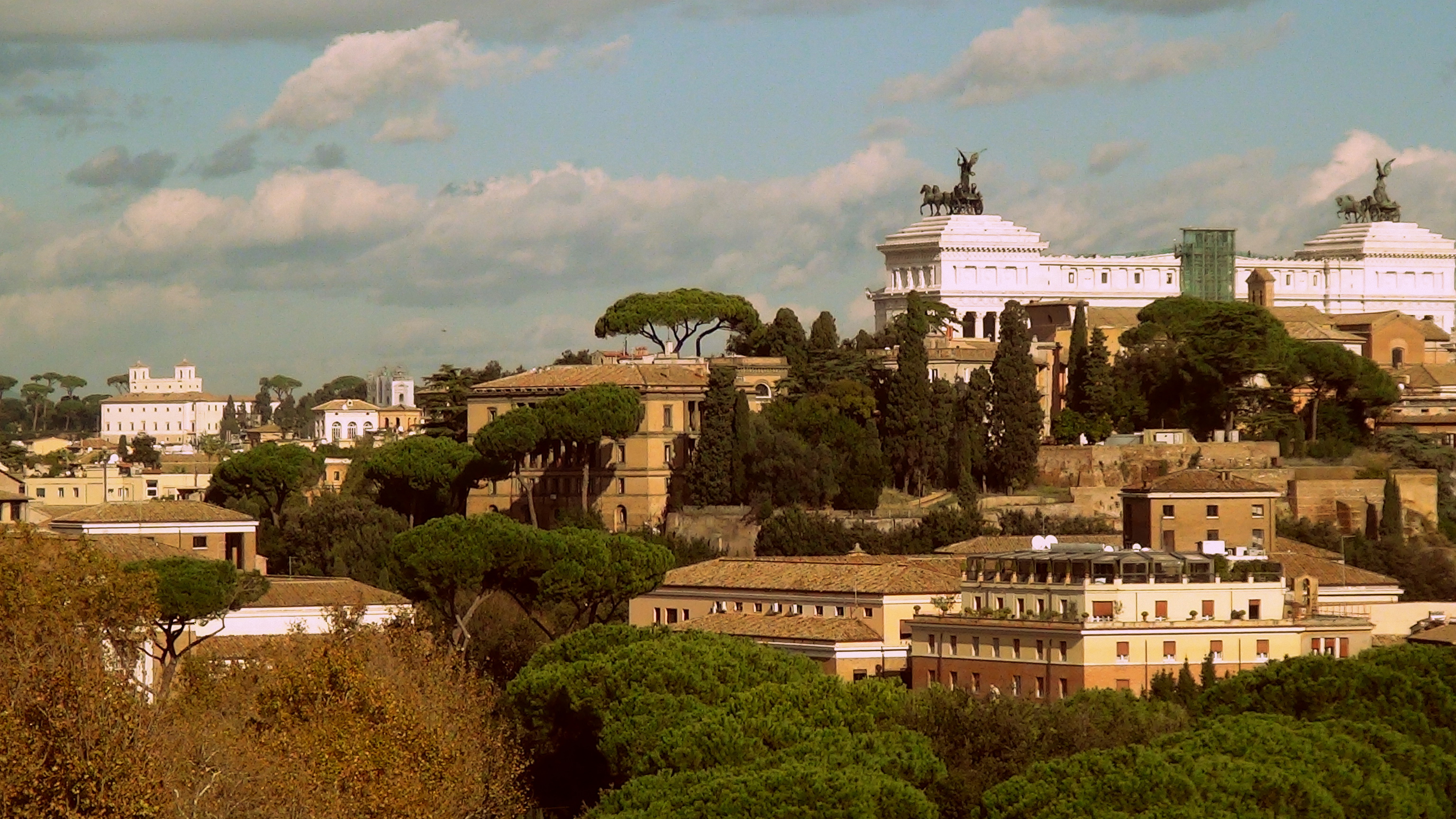 Well, the Christmas season is upon us! Yet recent months and hours have been a strange time for the people of Britain. England is politically divided and chaotic, the country appears to be tearing itself apart and it is difficult for the average person to see any bright future? However, I have repeatedly stated that an East Wind is coming, and I believe it is. But I know that God is in control.
Sometimes in this wicked world, it is necessary for a person to set himself apart and come away a while. In November I visited Rome. This was my third visit. Rome is a bustling busy city, and being there is like walking through an outdoor museum. The streets are filled with ancient rubble. A person who visits Rome is walking in the footsteps of historic giants.
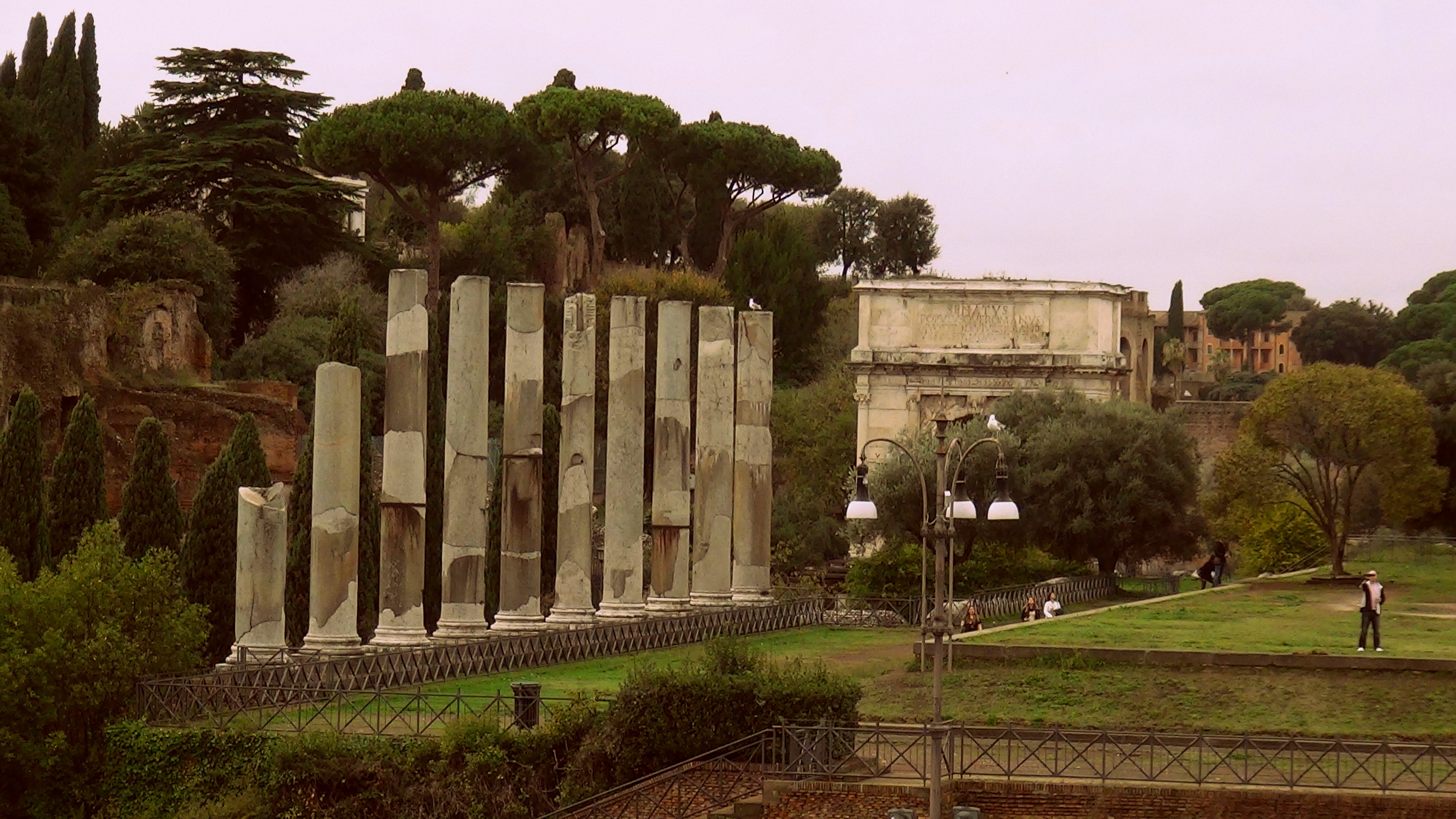 The Roman Forum is by far one of my beloved areas of Rome. Here I can bathe myself in Biblical history and bring myself back to what really matters. Biblical Truth! Here stands The Arch of Titus, The Temple of Caster and Pollux, The Curia Julia, where Paul stood trial. The location of the conflict between Peter and Simon Magus. The Mamertine Prison, where tradition claims Peter and Paul were imprisoned.
Across the way from the Mamertine, there stands the remains of the ancient Forum of Augustus. This forum was inaugurated in 2 BC by the man who decreed the census to be taken around the time when Jesus was in the womb of Mary.
In Luke 2: 1-2 it reads: “And it came to pass in those days that a decree went out from Caesar Augustus that all the world should be registered. This census first took place while Quirinius was governing Syria.” (NKJV)
By Luke’s reference to “all the world” I take that to mean all the Roman world. The Greek (G3625) is with special reference to a part of the globe, “specifically the Roman Empire”. However, the facts surrounding the census are still a matter of much debate.
Yet in The Mausoleum of Augustus, Rome, there once stood Bronze pillars which had an engraved reference to a Census of Augustus. This funerary inscription is known as “Res Gestae Divi Augusti“. It was upon this inscription where Augustus recorded the achievements he had made during his life. One such achievement reads “CENSVM-POPVLI”. This when translated reads ‘I did a census‘.
Dates for this census are well established, but my question is; could this reference be remotely related to the census written about by St. Luke? After three visits to Rome I have concluded that Luke probably wrote his Gospel from this ancient City of Seven Hills. However, some modern scholars claim there is no historic evidence for the census of Luke 2: 1-2. Yet in claiming this they assume Luke’s narrative is not a reliable source. Likewise, they sometimes fail to explore the possibilities of other arguments and views that differ to their own. They often likewise ignore the possible translations issues concerning the correct rendition of (G2958) and the possibility of a continued or repeated census.
In a pause of reflection, what strikes me about Augustus and the “Gestae Divi Augusti” is how historically absolute it is that this Roman Emperor was distinctly associated with a census. Whichever way we look at it, we cannot dismiss that Augustus was known for a census of the Roman world.
What Luke was communicating was a fulfilment of the Scripture that a ruler over Israel would come out of Bethlehem (Micah 5: 2). That the ancestral home of Joseph was Bethlehem. Yet, when Augustus Caesar did his census, he thought he was bringing this about of his own power. But Luke was communicating that it was God who was bringing it to pass, not man.
Here we can learn. The world is a mess. People are sinful and depraved. Does that mean that Christ is not reigning or a Ruler? Has God lost control of His universe? On the contrary. There is no greater way to cause people to change their ways than pain. In the Scriptures God often hands nations over to corrupt leaders to teach them and bring them to repentance. Yet He must have been reigning in order to have done such things.
It is Christ who holds all things by the word of His power (Hebrews 1: 3) there is no governing power outside of Him. By bringing about a Census, Augustus was doing the will of God, not the will of man. We all must learn from that. Christ is in control.
-
You are currently browsing the archives for the Christmas category.
Simon Peter Sutherland
-

 Simon Peter Sutherland