Posts Tagged Reformation day 2024
Did Martin Luther believe in Limited Atonement?
Posted by simon peter sutherland in Reform, Theology on October 15, 2024
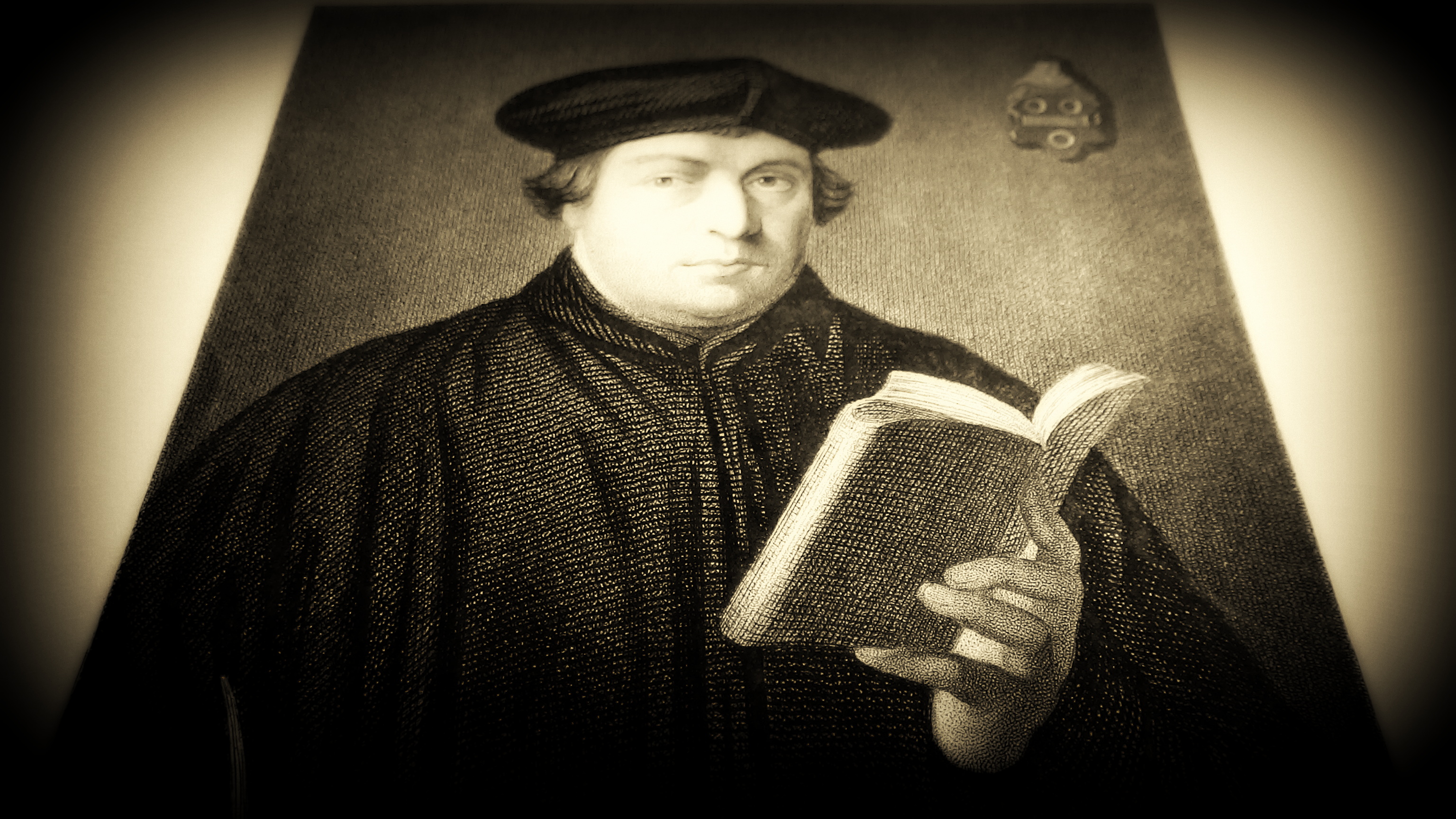
On 31st October 2024, it will be Reformation Day. This event is a public holiday in 5 states in Germany but in the UK Reformation Day is largely forgotten and replaced with Halloween. With this in mind I’m minded to write something about it.
For those who may not know Reformation Day is an anniversary of the day (October 31, 1517) when Martin Luther (1483-1546) nailed his ninety five thesis to the church door in Wittenberg. Back then the church was like our church is today, apostate and in desperate need of reform. Priests and Popes were corrupting the church and few had the nerve to stand up to them. But Luther, God bless him, stood strong and famously nailed his thesis to the church door and the sound of his hammer echoed through the chambers of the establishment.
Recently I watched the 2003 film Luther starring Joseph Fiennes and it has brought back a lot of fond memories for me. That film was very influential when I first began studying Luther and reading his books and autobiographies about him. I’d recommend people view that film and read his books rather than waste their time with all that Halloween nonsense.
But as the saying goes ‘nobody’s perfect’ and the same can be said for Luther. For me Martin was far from perfect, and that’s the point. Reformers do not need to be perfect humans they just need to have faith and believe the Bible. There are times when I really agree with Luther and think that he has been misrepresented by many people. For me, a great deal of these misunderstandings stem from cherry picking sections of Luther quotes without really considering the possibility that he might have changed his mind later on.
While in discussion recently it came up of how Luther and Calvin would have agreed with each other over doctrine and this brings me to the main point of this article. My discussion was in response to the Calvinistic interpretation of Predestination which logically affirms the doctrine of Limited Atonement. As always I make my point that there are differences of opinion concerning the meaning of Predestination and the 16th century reformers didn’t all agree with the Calvinism of that century. For me, Calvin is a little like Luther sometimes in that he might have changed his mind at times. For me, Calvin reads as though he did believe in Limited Atonement and certainly Predestination, while other times he appears to believe that Christ died for all mankind. These views can be found in Calvin’s Commentaries.
Yet there are times, (certainly in Luther’s books) where Martin appears to believe that Christ died for all, yet other times he implies all means the elect? This would imply that he didn’t believe Christ died for all, so there’s certainly conflict in understanding his position. This brings me to the answer of my own title: Did Martin Luther believe in Limited Atonement? Well, the answer is yes and no, I don’t think he did and other times I’m not so sure, here’s why.
While at Wittenburg in 1515, Martin Luther began to lecture from the New Testament and from Paul’s epistle to the Romans. It was during Luther’s studies for these lectures that he famously found that salvation is by grace alone and through faith.
In the popular modern versions of Luther’s commentary on Romans, such as J. Theodore Mueller’s translation, certain beliefs and passages have been omitted from the publications to avoid confusion with Luther’s actual beliefs. For, his beliefs often changed and improved with his knowledge of scripture. In his lectures on Romans and 9: 20-21 Luther says this:
“God will have all men to be saved” (1 Timothy 2: 4), and he gave his Son for us men, and he created man for the sake of eternal life. And likewise: Everything is there for man’s sake and he is there for God’s sake in order that he may enjoy him, etc. But this objection {to God’s sovereignty in salvation} and others like it can be just as easily be refuted as the first one: because all these sayings must be understood only with respect to the elect, as the apostle says in 2 Timothy 2: 10, “All for the elect.” Christ did not die for absolutely all, for he says: “This is my blood which is shed for you” (Luke 22: 20) and “for many” (Mark 14: 24) – he did not say: for all- “to the remission of sins” (Matthew 26: 28) (Martin Luther, Lectures on Romans, translated and edited by Wilhelm Pauck. Philadelphia: The Westminster Press, 1961. P 252)
The question remains for my readers: Did Luther believe in Limited Atonement or did he believe Jesus died for all mankind? Decide for yourselves. I think he may have originally believed in Limited Atonement (in 1515) and changed his mind later on.
Simon Peter Sutherland
-

 Simon Peter Sutherland